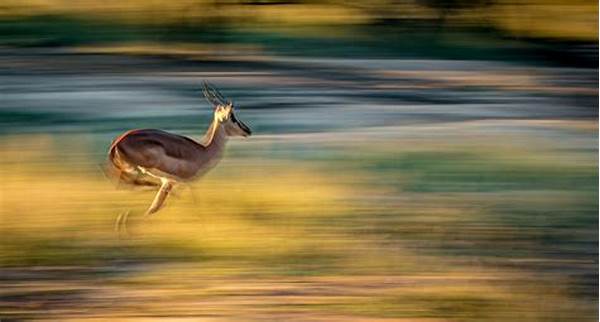
Hey there, fellow shutterbugs! I know we all love snapping pics of our furry (or not-so-furry) friends, but capturing those lively, energetic animals in action? That’s a whole different ball game. Whether you’re a beginner or a pro at snapping wildlife, there’s always something new to learn. Let’s dive into some awesome techniques for active animal photography that’ll make your shots roar with life and excitement.
Read Now : Conveying Professionalism Through Profile Pictures
Mastering the Art of Timing
Timing is everything when it comes to capturing animals in their natural habitats. Active animals, by definition, don’t stand still for long. This unpredictability is both a challenge and a thrill. One minute they’re lounging; the next, they’re darting from place to place. The key is to anticipate their move. Get familiar with your subject’s behavior. Study their body language and be ready to snap the moment they spring into action. For instance, if you’re photographing a bird, notice their subtle movements just before takeoff or landing; this awareness provides a better chance at capturing compelling shots in the wild. Patience and anticipation are core techniques for active animal photography, and when mastered, they bring out stunning dynamic pictures that tell a story.
Finding the perfect setting is another essential technique. Consider lighting and the background that emphasizes the subject while not overpowering it. A morning or late afternoon setting often provides the best natural light, bathing your subject in a soft glow that accentuates their features. A suitable background minimizes distractions and frames your active subject in a way that complements its natural beauty. These thoughtful settings, combined with impeccable timing, can elevate your animal photography from good to extraordinary.
Lastly, don’t forget to maintain a respectful distance. While we all want that close-up shot, never compromise the safety and comfort of the animals you’re photographing. Being unobtrusive and aware of your surroundings enhances the authenticity of your shots and allows the animals to continue their behaviors naturally. These techniques for active animal photography are not just about the shot you get but about respecting the amazing creatures and environments you’re capturing.
Essential Gear for Action Shots
1. A sturdy tripod can be your best friend, offering stability when you’re using longer lenses.
2. Fast shutter speeds capture those blink-and-you’ll-miss-it moments perfectly!
3. Telephoto lenses are a must if you want those crisp close-ups without getting too close for comfort.
4. A camera with a rapid continuous shooting mode helps snap multiple pictures to catch that perfect frame.
5. Consider a weather-resistant bag to protect your gear from the elements while you chase those shots.
Integrating Motion Blur
Sometimes, it’s not about freezing the motion but capturing the essence of movement. Motion blur can add a creative twist to your shots and tell a unique story. When mastered, techniques for active animal photography that incorporate blur can highlight the speed and grace of a subject, like the trajectory of a soaring bird or the swift dash of a cheetah. Lower the shutter speed; it enables you to integrate this creative technique. It’s a skillful balance—too much blur, and the scene appears chaotic; too little, and the movement loses impact. Practice with different shutters until you get the desired effect.
Using motion blur effectively also means paying attention to the background. A cluttered or overly detailed background can interfere with the sense of movement you want to portray. A cleaner, less distracting backdrop keeps the focus on the subject, emphasizing its motion and energy. It’s one of those techniques for active animal photography that requires trial and error but can yield amazing results once perfected.
Telling the Story with Your Camera
1. Know your subject: Research them to predict behaviors and possible action shots.
2. Be patient: Wait for the perfect moment, especially for rare actions.
3. Use leading lines: Guide the viewer’s eye through your photo.
4. Experiment with angles: Changing your perspective can transform the shot.
5. Work with natural light: It’s your best companion for authentic shots.
Read Now : Festivals Honoring Traditional Artistic Expressions
6. Embrace the environment: Show the animal in its natural habitat.
7. Focus on the eyes: Capturing eye contact draws vivacity into the shot.
8. Experiment with silhouettes during sunrise or sunset.
9. Capture candid moments: Display unexpected and real animal emotions.
10. Utilize editing tools: Enhancing your photo to bring out textures and colors.
Anticipating Animal Actions
We’ve all heard that age-old advice: be prepared. In animal photography, especially with more active species, anticipation is a huge deal. Understanding the subject’s pattern is vital—whether it’s a playful pup about to fetch, or a dolphin about to dive. Recognizing the signs, or precursors, of certain actions is the secret sauce to succeeding here. Being in tune with your surroundings and subject means you can aim your lens, set your focus, and be ready to click at just the right moment.
A strategy adopted by many photographers is using a longer lens to keep an acceptable distance, maintaining the animal’s natural behaviors without your interference. This respect for their comfort zone encourages candid shots that portray their purest actions. Start with pelicans diving for fish or squirrels foraging nuts; their actions are less constrained and provide good practice. These animal examples are great subjects when learning techniques for active animal photography.
Playing with Light and Angles
Lighting is like the MVP in the world of photography. While golden hours provide excellent natural lighting, don’t dismiss experimenting with various lights. Shadows can be your friend or foe—it’s about how you use their interplay with light to create dramatic effects in your shots. When photographing active animals, consider backlight for silhouettes or front light for details.
Angles, too, can shake things up. Level with your subject for intimacy or go low for an imposing look at a towering creature. Keep experimenting to discover which angles and light combinations best showcase your subject’s unique qualities. Mixing these factors is a dynamic technique for active animal photography, adding depth and vibrancy to your compositions.
Wrapping It Up
In a nutshell, capturing active animals is all about timing, patience, and a dash of creativity. Mastering these techniques for active animal photography takes practice, but that’s half the fun! Dive in, experiment with your style, and let your personality shine through each shot. Who knows? Your next photo could become a cherished memory or even inspire others to see the world through your eyes.
The gear, light, and angles all play a part in crafting your visual story, but the essence lies in the connection between the subject and the photographer. Enthusiasm and respect for your animal subjects drive creativity, allowing you to discover new techniques and broaden your understanding of nature. With practice and passion, capturing the lively, mesmerizing actions of these animals becomes not just a hobby but a privilege.
Have you tried any of these techniques for active animal photography yet? Share your experiences or any secret tips you’ve picked up along the way in the comments below. Let’s keep the conversation going!